 -18%
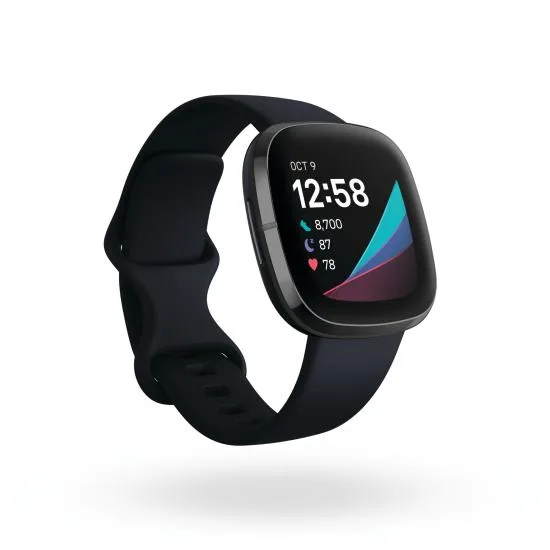
Fitbit Sense
Key Features; • 1.58″ AMOLED screen display • Multi-path optical heart rate sensor • Skin temperature sensor • Ambient light sensor • Built-in GPS + GLONASS • PurePulse® 2.0 • Menstrual health tracking • 20+ goal-based exercise modes • 6+ days of normal usage Too Much Trouble Fitbit also has a variety of proprietary faces and a bunch of well-designed, and less well-designed, user ones. That didn’t really matter to me, though, since the Sense can only measure your SpO2 blood oxygen levels while you’re sleeping, and if you have the specific SpO2 face loaded on your watch. The Best at Stress The Sense’s other new biometrics are stress measurements. Fitbit claims that electrodermal activity, or EDA, as measured by electrical pulses in your sweat, are a reliable indicator of stress. You measure your EDA by tapping to take an EDA scan and placing your palm over the metal bezel. The Sense will measure how many EDA responses you get in the space of two minutes. There’s long-standing research to back this up. Skin conductivity has long been used in polygraph test to measure arousal, along with heart rate and respiration. The Sense combines this EDA scan with nine other inputs, including activity and sleep quality, to give you a Stress Management score of 0 to 100. The higher the score, the better prepared you are to handle stress. Data for All If you can help others, that might make the Sense worth it for some people, but right now, the Sense seems like an overreach, especially if you find the SpO2 readings to be unreliable, like me.